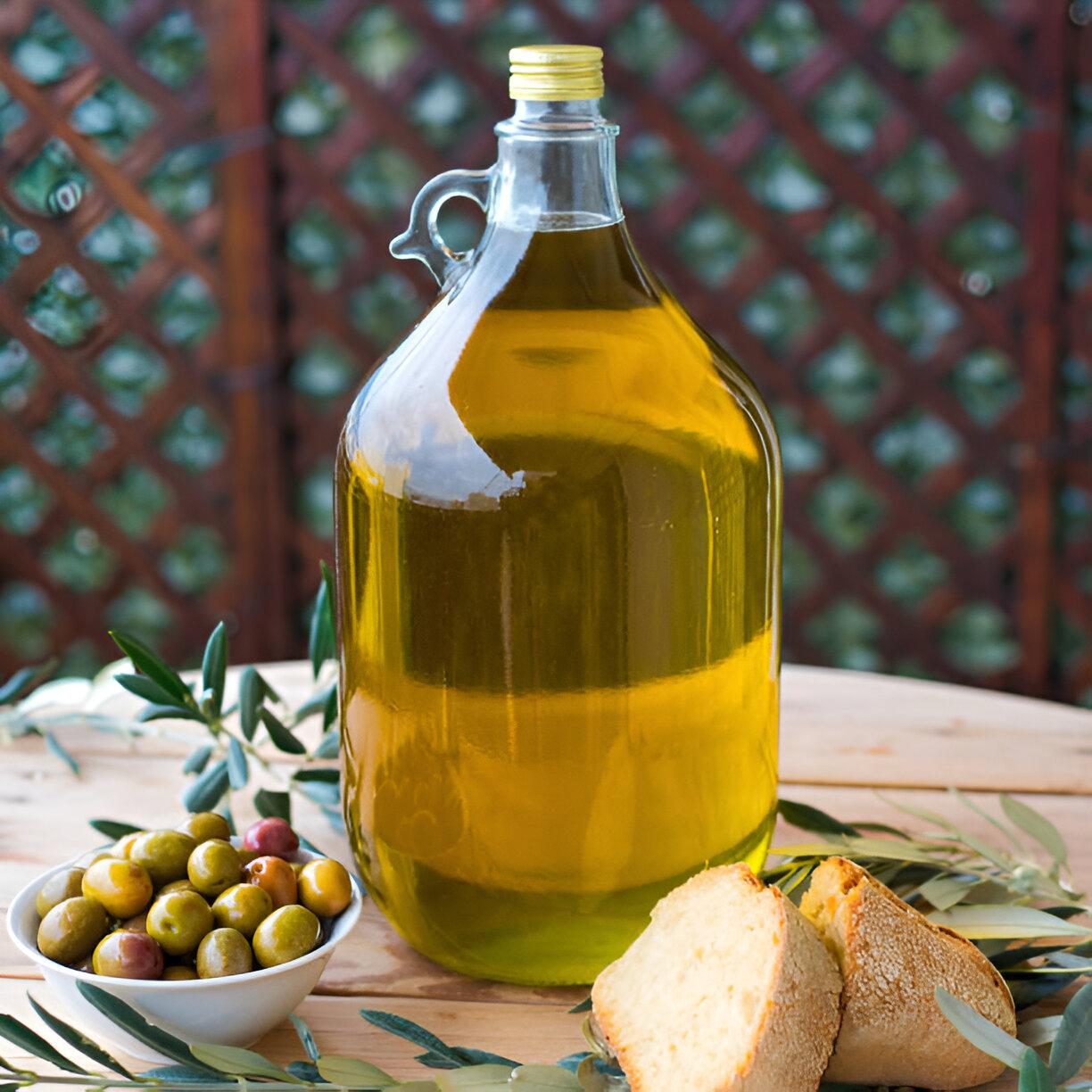
Across Australia, a growing number of restaurants, cafes, and commercial kitchens are making a deliberate choice to source their extra virgin olive oil from local producers. This shift reflects a broader movement toward provenance, transparency, and quality in the food service industry. Understanding the factors behind this trend reveals why Australian-produced olive oil has become a preferred ingredient in professional kitchens.
The Growing Trend of Local Sourcing
The Australian food service sector has undergone a significant transformation in recent years. Chefs and food service operators are increasingly prioritising locally sourced ingredients, driven by consumer interest in knowing where their food comes from and how it is produced. Olive oil, as a foundational ingredient used in everything from dressings and marinades to cooking and finishing, is a natural focal point of this movement.
Industry surveys consistently show that Australian diners value locally produced food. Restaurants that highlight Australian-sourced ingredients on their menus are responding to this preference while also supporting domestic agriculture. Olive oil, with its deep roots in Australian farming regions from Victoria to South Australia and Western Australia, fits naturally into this narrative.
The Freshness Advantage
One of the most compelling reasons for choosing Australian olive oil is freshness. Extra virgin olive oil is at its peak quality in the months immediately following harvest and pressing. Unlike wine, olive oil does not improve with age — its beneficial compounds, flavour characteristics, and nutritional properties gradually diminish over time.
Australian olive oil reaches domestic kitchens far more quickly than imported alternatives. Oil produced in Victoria, for example, can be in a Melbourne restaurant within days of pressing. By contrast, imported oils from the Mediterranean may spend weeks or months in transit, followed by additional time in warehousing and distribution. This time differential directly affects the quality of the oil that arrives at the kitchen.
For chefs who rely on the nuanced flavours of high-quality extra virgin olive oil — the peppery finish, the grassy notes, the fresh fruitiness — this freshness advantage is not merely theoretical. It translates to tangible differences in the taste and aroma of the dishes they prepare.
Provenance and Traceability
Traceability has become a critical concern in the food industry. Restaurants want to know not just where their ingredients come from, but how they are produced, who produces them, and what quality controls are in place. Australian olive oil producers, particularly smaller and mid-sized operations, offer a level of transparency that is difficult to match with imported products.
Many Australian producers, including Kangaroo Olive Oil, operate integrated orchards and processing facilities. This means the entire production process — from growing and harvesting to pressing and bottling — occurs under a single operation’s oversight. Chefs can visit the farms, meet the producers, and understand the processes behind the oil they use. This direct connection fosters trust and enables restaurants to share authentic stories about their ingredients with their customers.
Flavour Profiles of Australian Extra Virgin Olive Oil
Australia’s diverse growing regions produce olive oils with a wide range of flavour profiles. The varieties cultivated in Australia — including Frantoio, Leccino, Picual, Coratina, and Barnea, among others — each contribute distinct characteristics influenced by the local terroir, climate, and harvesting practices.
Victorian olive oils, for instance, are often characterised by a balanced profile with medium fruitiness, pleasant bitterness, and a peppery finish. South Australian oils may exhibit bolder, more robust flavours, while Western Australian oils can lean toward delicate, buttery characteristics. This diversity allows chefs to select oils that complement specific dishes and cuisines.
The ability to source different flavour profiles from within Australia gives food service operators flexibility without sacrificing the freshness and traceability advantages of local sourcing. A chef might use a robust Frantoio for finishing a grilled steak while reaching for a milder Arbequina to dress a delicate seafood dish — both sourced from Australian producers.
Consistency and Reliability of Supply
For commercial kitchens, consistency is paramount. A restaurant that features a particular olive oil in its signature dishes needs assurance that the product will taste the same week after week, month after month. Australian producers who supply the food service sector understand this requirement and work to maintain consistent quality across production batches.
Local sourcing also reduces the supply chain risks associated with international procurement. Shipping delays, customs complications, and geopolitical disruptions can all affect the availability and cost of imported olive oils. By sourcing domestically, Australian restaurants build more resilient supply chains with shorter lead times and more predictable delivery schedules.
Supporting Australian Agriculture
Choosing Australian olive oil is also an investment in the domestic agricultural sector. The Australian olive industry supports farming communities across multiple states, providing employment and economic activity in regional areas. When restaurants source locally, they contribute to the sustainability of these communities and the broader agricultural landscape.
The Australian olive industry has grown significantly over the past two decades, with producers investing in modern processing technology, quality testing, and sustainable farming practices. This growth has been supported in part by demand from the food service sector, creating a virtuous cycle where restaurant support enables producers to invest in quality improvements.
Many Australian olive oil producers also employ environmentally responsible practices, including water-efficient irrigation, integrated pest management, and soil health programs. For restaurants that prioritise sustainability in their operations, sourcing from producers with strong environmental credentials adds another dimension to their commitment.
You can see the farming and production environment firsthand in our Farm & Factory gallery, which documents our orchards and processing facility in Torrumbarry, Victoria.
A Practical Decision with Broader Impact
The choice to use Australian extra virgin olive oil in commercial kitchens is both practical and purposeful. It delivers tangible benefits in terms of freshness, flavour, and supply reliability while also supporting the values of provenance, transparency, and local community investment that increasingly define the Australian food service industry.
As the domestic olive industry continues to mature and Australian producers refine their craft, the case for local sourcing only grows stronger. For chefs and food service operators seeking the highest quality olive oil with a clear, verifiable story behind it, Australian-produced extra virgin olive oil remains an excellent choice.